Strengthen Your Relationships with Conflict Resolution Support
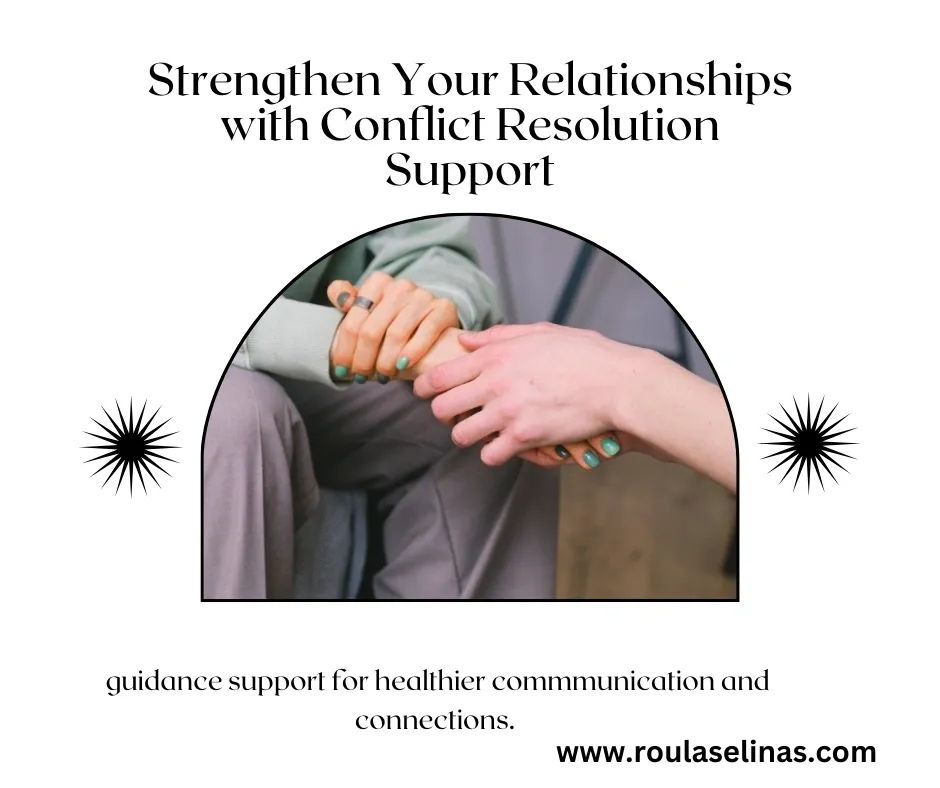
Have you ever felt that you and your partner go around and around in circles never resolving anything?
I have found that couples sometimes fall into unhealthy patterns as the demands and pressures of life get in the way and start to wreak havoc on your relationship.
The most common arguments in relationships stem from:
1. Arguments about chores, one person doing more than the other
2. Financial issues or control
3. Sexual intimacy
Relationships can start to come undone with differing communication styles and conflict resolution styles. People come into relationships with learned behaviour and coping mechanisms and styles that have developed in childhood or past relationships.
According to Gottman there’s 4 negative communication patterns that can lead to relationship breakdown. You can identify them and address them with identifying your behaviour, your communication style or your partners communication style and open up healthy communication and save your relationship.
These are:
1. Criticism verses complaint: Criticism focuses on the individual rather than on their behaviour. eg” Your so selfish”.
2. Contempt: Contempt involves an intention to hurt the person and make them feel insecure, worthless, stupid or despised. This can be verbal abuse, yelling, insults, name calling, humour, mockery, threats and put downs which are disguised as jokes.
3. Trivialising: Taunting, berating, contemptuous body language. Ignore or make something seem less important than your partner feels it is to them.
Defensiveness: When defensiveness sets in couples no longer work as a team. When we feel accused partners get defensive and deny any responsibility or make excuses and start cross-complaining. Partners then distance themselves and leave things hanging and walk away in anger or frustration and don’t want to address the issue. A non-defensive response would be “Oh I forgot, I will do it now””.
4. Stonewalling: this occurs when couples reach the point of giving up or want to remove themselves from the conversation. However, this shutting down and closing themselves off from the other partner is not helpful, it can convey contempt, nothing gets resolved. As more and more things start to stack as things are left hanging, communication and arguments worsen and couples’ distance themselves. Stonewalling is both retaliation and can cause helplessness for the other partner. eg husband refuses to communicate about the problem or issue.
Other problematic communication patterns
· Mind reading: Happens when a partner thinks the other partner can read their mind, or should know.
· Being right: Insisting you are right; the more unhappy a couple is the more they think or justify that they are right and justified in their thinking and viewpoint.
· Self-syndrome or cocktailing listening: When a partner speaks to them, they are thinking about what they can say to them in response when the partner stops talking. They are not hearing or listening to the partners views rather what they will say to them.
· Cross complaining: Is a response to the other person’s response complaint, but its reaction is defensive rather than responding to their concern, they will bring up a complaint of their own, instead of responding to the persons complaint. eg: Answering a person’s complaint with one of their own complaints eg: “Well I wish you wouldn’t spend so much money on boats””.
· Incongruent messages: Positive or negative aspects or verbal and non-verbal messages. eg Partner says okay whilst they look at the tv or on their phone, whilst partner is talking, shows they are not really paying attention or not really interested in discussing it.
· Name calling and non-supportive statements: This behaviour attacks the persons character and questions their motives and abilities which builds more walls between them and is damaging to them and relationship.
Not hearing the positives: Not hearing or acknowledging the good the partner does only complain about everything the partner doesn’t do, or didn’t do well.
Many times, a partner might praise the other person, but the other person will only remember or hear the negative comments and misses the positives ones. This happens when distressed couples fall into a toxic cycle and miss the positive comments and react to the negative ones. Or they stop commenting on what the partner did well and only comment on what they didn’t do.
Kitchen sinking: When couples argue on certain topics other things are brought up and thrown into the argument, they have been saving them and complain about them all at once. This will cause the couples to never resolve everything and just make things worse. It’s a toxic pattern.
Communication is difficult to navigate with heightened emotions, and recognising these problematic communication patterns and styles can help you in your work, personal, family or relationships. It’s never to late to identify behaviour and work on positive communication styles and re-creating healthy communication.
In doing so you may be able to save your relationship, you can rekindle that spark. You can become closer to your family members. Or you could resolve the conflict issues at work.